


Sustaining Nature, Sustaining Livelihoods: The Power of Payment for Ecosystem Services (PES)
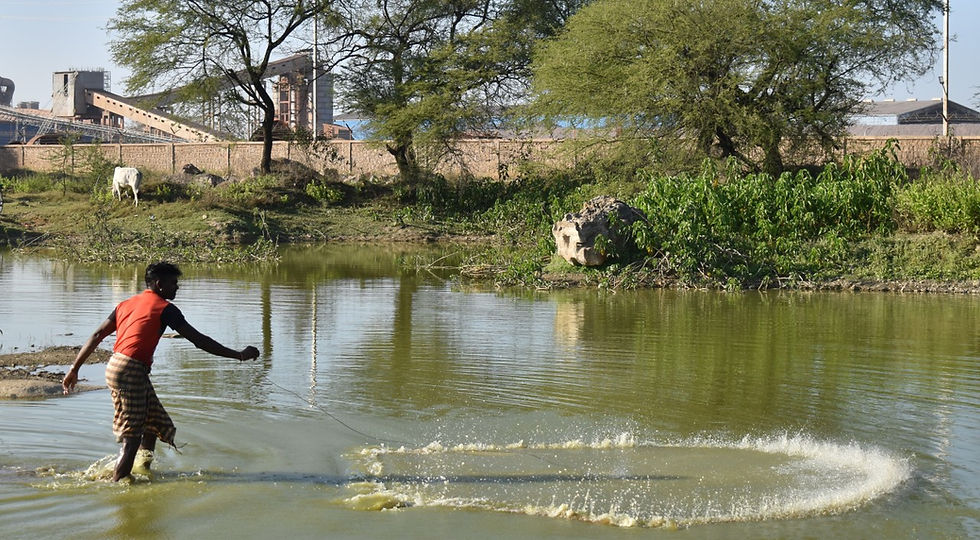
Wetlands are dynamic aquatic ecosystems saturated with water either permanently or seasonally. The last few decades have witnessed rapid urbanisation of wetlands that are threatened by pollution, encroachment, and rising real estate initiatives. The wetland's biodiverse ecosystems are subject to sustainable human development and aligned with the related Sustainable Development Goals (SDGs), particularly for sustainable communities, clean water and sanitation, climate action, and life below water. The importance of wetlands contributes to critical ecological functions, such as groundwater recharge, flood protection, water purification, biodiversity conservation, and recreational opportunities, all of which are essential for human well-being and prosperity.
What is PES?
Payment for Ecosystem Services (PES) is a way to encourage people and organizations to protect and restore nature. In simple terms, PES provides financial rewards to those who take care of the environment, like planting trees, conserving water, or protecting wildlife habitats.
Laws that support PES-based Livelihoods
In India, wetlands management and conservation are addressed through various policies, acts, and campaigns. Key initiatives include the Ramsar Convention (1982), National Water Mission under the National Action Plan on Climate Change (2008), National Plan for Conservation of Aquatic Ecosystems (2013), Wetlands Conservation and Management Rules (2017), and Mission Sahbhagita (2022), and Amrit Dharohar (2024) aligned with the Mission Lifestyle for Environment (LiFE) formulated under Ministry of Environment, Forest, and Climate Change (MoEF&CC). These efforts prioritize generating employment and supporting local livelihoods through species and habitat conservation, nature tourism, wetlands-based livelihoods, and capacity-building sessions.
To promote the livelihood of social stakeholders, various strategies and Payment-for-Ecosystem (PES) have been prevalent to generate incentives or green bonuses promoting sustainable protection of climate-resilient natural resources. PES consider ecosystem valuations in the trade-offs and synergies between multiple ecosystem services and socio-economic necessities and offers incentives to communities/stakeholders without compromising with nature.
How Does PES Work?
PES involves a few steps:
Identifying Ecosystem Services: Determining which natural services (like clean water, carbon storage, or biodiversity) need protection.
Valuing the Services: Assessing the economic value of these services.
Creating Agreements: Setting up contracts where landowners or service providers receive payments for maintaining or improving these services.
Monitoring and Verification: Ensuring that the services are being provided as agreed.
Indian Case Studies: PES in Action
Himachal Pradesh – Rejuvenating Water Sources
In Himachal Pradesh, a PES project focuses on protecting and restoring forested watersheds to ensure a reliable supply of water for downstream users. The state government collaborates with local communities to maintain forests, which play a crucial role in water regulation. In return, communities receive payments and support for sustainable livelihood practices. This initiative has improved water quality and availability, benefiting both the environment and the people.
Sikkim – Conserving Biodiversity
Sikkim, known for its rich biodiversity, has implemented PES schemes to protect its unique flora and fauna. Farmers and landowners receive payments for conserving forests and maintaining habitats for endangered species. This approach not only preserves biodiversity but also promotes eco-friendly agricultural practices, contributing to the overall well-being of local communities.
Gujarat – Wetland restoration
The initiative promoted under the Mahatma Gandhi National Rural Employment Guarantee Scheme involves planting drought-resistant crops in catchment areas to aid in the restoration of seasonal wetlands and their hydrological channels in the basins. Additionally, PES schemes include the restoration of wetlands, revitalization of village ponds, and provide training to local community members and leaders of the Panchayat Raj Institution (PRI) in ecosystem management.
Conclusion
Payment for Ecosystem Services (PES) is a powerful tool for promoting environmental conservation and sustainable development. By providing financial incentives, PES encourages individuals and organizations to take proactive steps in preserving nature. As seen in the case studies from India, PES can lead to significant environmental and socio-economic benefits, paving the way for a greener future.
References:
United Nations, “Sustainable Development Goals,” January 1, 2016, https://sdgs.un.org/ goals
https://www.ramsar.org/sites/default/files/documents/library/ramsarsites_criteria_eng.pdf
Ministry of Environment, Forests and Climate Change, Integrated Management of Wetland Biodiversity and Ecosystem Services, New Delhi, MoEFCC, 2017, https://indianwetlands.in/uploads/Wetland%20Biodiversity%20and%20Ecosystem%20ServicesFINAL%20 BROCHURE.pdf
Salzman, J., Bennett, G., Carroll, N., Goldstein, A., and Jenkins, M. 2018. The global status and trends of payments for ecosystem services. Nat. Sustain. 1, 136–144.
Verma, M. 2001. Economic Valuation of Bhoj Wetlands for Sustainable Use (EERC Working Paper Series WB–9). In: http://coe.mse.ac.in/eercrep/fullrep/wetbio/WB_FR_MadhuVerma.pdf


